
Choosing a wedding theme represents far more than selecting matching napkins and centerpieces. It’s the foundational decision that transforms individual decorative elements into a cohesive visual story, one that communicates who you are as a couple while creating an immersive experience for your guests. Yet many couples struggle to distinguish between superficial decoration and meaningful thematic expression, often defaulting to trendy aesthetics that may not reflect their authentic relationship.
This comprehensive resource explores wedding themes from their conceptual foundation through practical execution. You’ll understand the psychological underpinnings of effective theme development, examine specific aesthetic approaches from modern minimalism to enchanted forest environments, and learn how to balance personal authenticity with visual cohesion. Whether you’re drawn to clean contemporary lines or textured bohemian installations, the principles outlined here will help you create a celebration that feels both intentional and genuinely yours.
The most common misconception in wedding planning is equating a theme with a color palette. This fundamental misunderstanding leads to visually coordinated events that lack emotional resonance or narrative depth.
A color scheme is simply a palette—navy and blush, emerald and gold, terracotta and sage. A theme, by contrast, is a conceptual framework that informs every design decision. Think of color as the paint, and theme as the subject of the painting. You might choose warm desert tones for a Southwestern-inspired celebration, but those same colors would communicate entirely differently in a Moroccan context or an autumn harvest theme.
Consider two weddings both using ivory, greenery, and gold accents. One couple might create a classical garden aesthetic with structured topiaries and formal place settings, while another achieves a woodland fairy tale through organic branch installations and scattered candles. The colors remain consistent, but the conceptual framework dictates material choices, arrangement styles, and overall spatial design.
The most compelling wedding themes emerge from genuine personal narratives rather than Pinterest boards. This requires a deeper psychological approach—identifying the experiences, values, and shared moments that define your relationship, then finding visual metaphors to represent them.
A couple who met while hiking might not simply add pine cones to their centerpieces. Instead, they might explore elevation as a conceptual theme: varying heights in floral arrangements, a ceremony on raised terrain, escort cards displayed as a topographical map. This transforms a biographical detail into a design principle that guides decisions across all decorative elements.
Effective symbol extraction involves identifying imagery that carries emotional weight for you specifically. Rather than generic romantic symbols (hearts, doves, roses), consider:
These symbols work best when interpreted abstractly. If you bonded over coffee, a sophisticated theme might reference coffee through rich brown tones and the geometric patterns of latte art, rather than literal coffee bean centerpieces. The goal is evocation, not illustration.
Once you’ve identified your conceptual foundation, the challenge becomes maintaining consistency while avoiding thematic rigidity that sacrifices elegance for literal interpretation.
Wedding trends cycle rapidly—what feels fresh during planning may appear dated in your photos within a few years. The solution isn’t avoiding contemporary aesthetics entirely, but rather using them as accent elements within a more enduring framework.
Consider the “trend trap” principle: if an element is currently visible in more than 70% of weddings in your venue’s portfolio, it risks dating your celebration. Pampas grass, acrylic signage, and Edison bulbs have all followed this trajectory. Instead, identify the underlying appeal of these trends (texture, transparency, warmth) and explore less saturated ways to achieve the same effect.
A balanced approach might incorporate one or two contemporary elements you genuinely love, surrounded by classic foundations: traditional floral varieties in unexpected arrangements, timeless materials like wood and linen with modern geometric styling, or conventional lighting with unconventional placement.
There’s a critical threshold where thematic consistency becomes theatrical excess. Over-themed weddings feel more like stage productions than authentic celebrations, prioritizing visual impact over guest comfort and genuine atmosphere.
Warning signs of over-theming include:
Elegance requires restraint. The most sophisticated implementations establish clear thematic direction through three to five key design moments—perhaps the ceremony backdrop, centerpiece style, and lighting approach—then allow other elements to support rather than compete.
Strategic theme revelation creates narrative progression and maintains guest engagement across multiple hours. Rather than displaying your entire aesthetic concept immediately, consider how different spaces and moments can introduce new layers.
You might begin with subtle thematic hints during cocktail hour, fully reveal your design concept as guests enter the reception space, then introduce a final unexpected element during dessert or dancing. This approach mirrors storytelling structure: introduction, development, climax. It also photographs more dynamically, as each space offers distinct visual interest rather than repetitive imagery.
Modern wedding style is frequently misunderstood as cold or impersonal. Properly executed, minimalism creates powerful visual impact through intentional restraint, allowing meaningful elements to receive undiluted attention.
The defining characteristic of modern wedding design isn’t what you include—it’s what you deliberately omit. Negative space (the empty areas surrounding design elements) functions as an active design component rather than leftover room.
In practical terms, this means a single dramatic floral installation receives more visual weight than scattered arrangements, a clean table with one sculptural centerpiece makes greater impact than densely decorated surfaces, and unadorned architectural features often communicate more elegance than heavily draped spaces. Think of negative space as the silence between musical notes—essential for creating rhythm and emphasis.
Modern aesthetics favor materials that communicate through inherent qualities rather than applied decoration:
The key differentiator from traditional approaches is celebrating materials in their authentic state. Where classic design might cover a table with layered linens, modern style showcases a beautiful wooden farm table completely bare except for precise place settings.
Modern wedding themes extend to printed materials through clean typography, generous white space, and restrained color application. Sans-serif fonts, geometric layouts, and asymmetrical composition reinforce the aesthetic established through physical decor.
Your graphic identity should feel like a cohesive brand: invitations, programs, menus, signage, and even the cake design all speaking the same visual language. This doesn’t mean identical formatting, but rather consistent principles—perhaps always using a specific typeface pairing, maintaining similar spatial ratios, or applying your accent color in the same proportional way across all applications.
Bohemian wedding aesthetics celebrate natural imperfection, tactile variety, and relaxed composition. The challenge lies in achieving “curated effortlessness”—installations that appear spontaneous while actually requiring careful planning to avoid crossing into cluttered or messy territory.
Bohemian style is fundamentally about textural diversity. Where modern design might feature three materials maximum, boho installations might layer six or more—woven elements, rough wood, soft fabric, dried botanicals, natural stone, and organic fibers.
Successful texture mixing follows strategic principles:
Think of it like musical harmony—multiple instruments playing different parts, but all in the same key.
Unlike the balanced symmetry of traditional or modern styles, bohemian design embraces organic asymmetry. Floral arrangements might cascade dramatically to one side, table settings might vary slightly from place to place, and installations might appear to have “grown” into their spaces rather than been formally arranged.
This apparent spontaneity requires intentional planning. Professional designers often follow the “70/30 rule”—creating visual weight that’s distributed 70% to one side and 30% to the other, rather than the 50/50 balance of symmetrical design or complete randomness. This creates dynamic interest while maintaining overall cohesion.
Certain bohemian elements have become so ubiquitous they now risk undermining the individualized, free-spirited ethos the style represents. Pampas grass, while undeniably beautiful, presents both aesthetic and practical concerns—it’s become visually oversaturated in wedding design, and the dried plumes can trigger allergies or create safety issues if placed near candles.
Similarly, macramé elements work beautifully when used as thoughtful accents but can overwhelm a space when applied excessively. A single macramé ceremony backdrop makes a statement; adding macramé table runners, chair decorations, and hanging installations creates visual fatigue.
For distinctive bohemian style, consider alternatives: sculptural branches, fabric draping, woven natural grasses beyond pampas, or fiber art in unexpected materials. The goal is capturing the spirit of bohemian design—organic, artistic, unconventional—rather than replicating its current visual clichés.
Creating an immersive natural environment indoors or enhancing an outdoor setting requires understanding both aesthetic principles and practical logistics. Forest-themed weddings succeed when they engage multiple senses while maintaining guest comfort and safety.
Transforming an interior space into a forest environment demands substantial structural elements—potted trees, large branch installations, or even rented mature plants. The logistics involve considerable planning: verify your venue’s weight restrictions for large planters, confirm delivery and removal timing, and ensure adequate space for maneuvering substantial installations.
Effective forest themes also require ground-level design. Rather than leaving standard flooring exposed, consider options like moss runners, scattered natural elements (pinecones, stones, fallen leaves), or even temporary grass installation for truly immersive environments. These elements literally ground your theme while concealing the artificial foundation beneath.
Visual design alone cannot fully evoke a forest experience. Scent plays a powerful psychological role—subtle pine, cedar, or earthy moss fragrances can be introduced through essential oil diffusers, scented candles, or even fresh herb bundles. Keep scenting subtle and natural; overpowering fragrance quickly becomes unpleasant in enclosed spaces.
Lighting is absolutely essential for forest themes. Natural woodland environments feature dappled, directional light filtering through tree canopies. Recreate this through layered lighting at multiple heights—uplighting within tree installations, string lights woven through branches, scattered candles at varying elevations, and possibly projected patterns that mimic leaf shadows.
Ambient sound completes the immersion: a subtle background track of rustling leaves, distant bird calls, or gentle wind can be played at barely audible levels during dinner, creating subconscious environmental cues without distracting from conversation.
Immersive natural environments present unique practical challenges. Guest navigation becomes critical when dealing with dim lighting, uneven natural elements, or unconventional spatial layouts. Clearly mark pathways, ensure adequate lighting for safe movement, and consider mobility limitations—elderly guests or those with physical disabilities need accessible routes through elaborately decorated spaces.
Additionally, plan for the environmental realities of natural materials: living plants may require climate control or watering, dried elements can be fragile and messy, and organic materials might attract insects if used outdoors. Work closely with your venue to understand their specific requirements and restrictions regarding natural installations.
The most personalized wedding themes often emerge from hybridizing established aesthetics rather than adopting a single style wholesale. A “modern bohemian” approach might combine minimalist furniture with organic textural elements, while “classic garden meets industrial” could juxtapose traditional florals against metal and concrete backdrops.
Successful hybridization requires identifying the core principles of each style you’re combining, then finding balance points where they complement rather than contradict. Begin with your color palette—this becomes the unifying thread connecting disparate elements. A couple blending vintage romantic with contemporary might use a sophisticated palette of champagne, charcoal, and dusty rose across both antique furniture and sleek acrylic signage.
Furniture selection offers another opportunity for thoughtful mixing. Pair one style for seating (perhaps modern ghost chairs) with another for tables (rustic wooden farm tables), or vary furniture styles between different functional areas—modern cocktail hour, traditional reception. This approach photographs with visual interest while feeling intentionally curated rather than confused.
Floral structure can bridge aesthetic gaps beautifully. Use traditional flower varieties (garden roses, peonies, ranunculus) but arrange them in unconventional vessels or unexpected color combinations. Or select contemporary tropical blooms but arrange them in classic symmetrical compositions. This creates tension between familiar and surprising elements that defines memorable design.
Typography choices and attire coordination should reference both styles you’re hybridizing. If combining rustic and elegant themes, perhaps pair a flowing romantic wedding dress with structured modern groomswear, or use classic serif fonts alongside contemporary layouts in your printed materials. These deliberate nods to both aesthetics signal intentional fusion rather than indecisive planning.
The ultimate goal of any wedding theme—whether pure or hybrid, trendy or timeless, minimal or maximal—is creating an environment that feels authentically representative of your relationship while providing a beautiful, comfortable experience for your guests. By understanding themes as conceptual frameworks rather than decorative checklists, balancing personal meaning with visual cohesion, and making intentional choices grounded in clear design principles, you’ll create a celebration that communicates your unique story through thoughtful, memorable visual language.
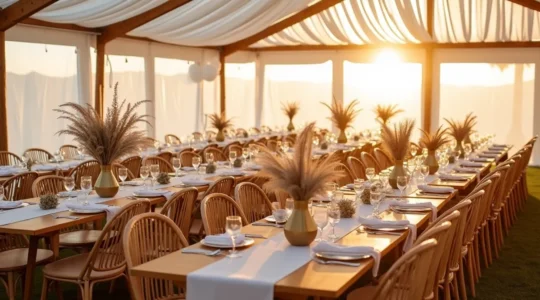
Achieving a successful Mod-Boho wedding isn’t about simply mixing two styles; it’s about creating an intentional aesthetic dialogue where modern structure elevates bohemian wildness. The foundation of a unique theme is translating your personal story into abstract concepts, not literal…
Read more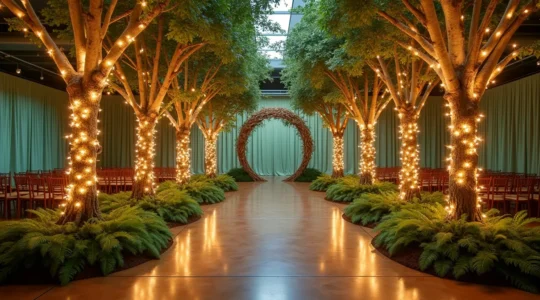
Creating a breathtaking indoor forest wedding is less about decoration and more about strategic environmental engineering. Success hinges on choosing logistically sound trees and solving the “no soil, no bugs” problem from the ground up. Layering light, scent, and texture…
Read more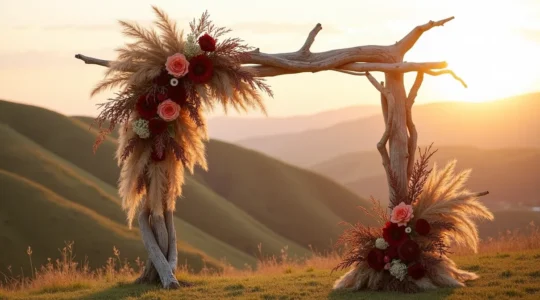
The secret to an expensive-looking boho wedding isn’t buying more pampas grass; it’s adopting a stylist’s mindset of intentional curation to balance raw textures with polished elegance. Boho fails when it becomes a random collection of “bohemian” items. It succeeds…
Read more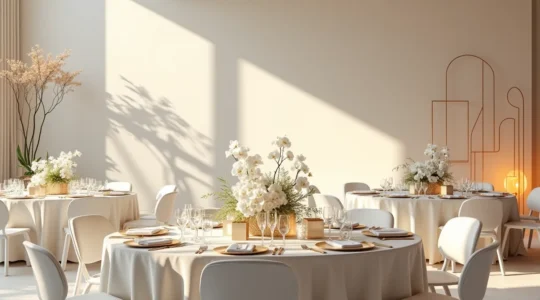
The secret to a warm modern wedding isn’t sterile minimalism, but mastering intentional contrast to create an atmosphere that is both curated and deeply personal. Balance clean, architectural structures with soft, organic textures to add warmth and depth. Make trends…
Read more
The common advice to ‘pick a color palette’ is the fastest route to a generic wedding; a truly bespoke theme is an experiential narrative excavated from your shared story. Authentic themes are born from abstracting personal memories and emotions into…
Read more