
Outdoor and garden weddings offer an unmatched backdrop of natural beauty, but they also introduce complexities that indoor venues handle by default. From unpredictable weather patterns to the logistics of building a temporary venue from scratch, couples planning an alfresco celebration face unique challenges that require careful consideration and expert planning. The romantic vision of exchanging vows under open skies or within a blooming garden comes with technical realities that can make or break the guest experience.
This comprehensive resource walks you through the essential infrastructure, climate management, and logistical considerations that transform an outdoor space into a fully functional wedding venue. Whether you’re envisioning a barefoot beach ceremony, an elegant tented garden reception, or an open-air celebration under the stars, understanding these foundational elements will help you anticipate challenges, allocate your budget wisely, and ensure your outdoor wedding delivers both beauty and comfort.
The decision between fully open-air, partially covered, or fully tented celebrations fundamentally shapes every other logistical choice you’ll make. This isn’t simply an aesthetic preference—it’s a risk management decision that affects everything from your backup plan timeline to your power requirements.
Hosting an entirely tentless outdoor dining experience creates an undeniably intimate connection with your surroundings, but it demands extreme weather vigilance. Most experienced planners work with a wind speed threshold of around 15-20 mph as the upper limit for safe open-air dining, beyond which napkins become projectiles and centerpieces turn hazardous. The dew point becomes a critical metric for evening events—when temperatures drop and humidity rises, condensation can settle on glassware, linens, and even guests’ shoulders, creating discomfort that no amount of beautiful scenery can offset.
Sound dispersion presents another challenge unique to unstructured outdoor spaces. Without walls or ceiling to contain it, music and speeches lose definition and volume, often requiring significantly more powerful audio equipment than couples initially anticipate. Thermal comfort solutions become paramount, as guests have no shelter from direct sun during daytime events or radiant heat loss during evening celebrations. Strategic placement of portable heaters, fans, or misting stations isn’t optional—it’s essential infrastructure.
Sailcloth tents have gained popularity for their translucent canopies that filter natural light beautifully during daytime events while creating a soft glow at night. The height and dramatic peaks of sailcloth structures offer visual grandeur, though couples must plan around pole obstructions when designing table layouts. Weather resistance has limits—while sailcloth handles moderate rain admirably, extreme wind or heavy snow loads can compromise structural integrity. The stake line footprint extends considerably beyond the tent’s interior space, sometimes requiring clearance of 10-15 feet in all directions, which can limit usable areas in smaller gardens or properties with underground utilities.
Glass and clear PVC structures offer the “indoor comfort, outdoor views” compromise, but introduce their own climate challenges. The greenhouse effect is real and significant—even on temperate days, transparent structures can become uncomfortably warm without proper ventilation or air conditioning. The choice between AC versus ventilation systems depends on your climate and budget, with AC providing superior comfort but requiring substantially more power infrastructure. Condensation management becomes critical during temperature transitions, particularly for evening events where interior warmth meets cooler exterior air, creating moisture on interior surfaces. Reflection issues at night can create lighting challenges, as strategic placement is necessary to avoid glare that obscures rather than illuminates.
Outdoor venues require you to essentially construct a building’s worth of infrastructure on what might be an empty lawn or field. This temporary construction demands meticulous planning across multiple technical domains that most couples drastically underestimate in both complexity and cost.
The decision to install full flooring beneath outdoor structures ranks among the most expensive line items couples face, often adding thousands to the budget. Yet this investment addresses multiple critical concerns simultaneously. Grass protection matters if you’re on private property or a venue that requires turf preservation—heavy foot traffic and furniture weight can destroy lawns, potentially incurring restoration fees. Heel safety is non-negotiable for events where guests wear formal footwear; even firm ground becomes unstable when saturated, and stiletto heels sink into earth with alarming ease.
Rain drainage transforms from minor consideration to major crisis without proper flooring. A properly installed floor system creates a watershed that channels water away from guest areas, while ground-level celebrations can quickly become muddy disasters during or after precipitation. The acoustic differences are surprisingly significant—flooring creates the resonant surface necessary for dancing and amplifies the satisfying sound of celebration, while earth absorbs sound and can feel uncomfortably muted. The common compromise of carpet over wood addresses heel safety and aesthetic concerns while maintaining structural benefits, though it sacrifices some of the drainage advantages of exposed wooden surfaces with gaps.
Ensuring power reliability without noise pollution requires careful power load calculation that accounts for every technical element: catering equipment, lighting, audio systems, climate control, and more. Underestimating power needs is one of the most common failures in outdoor wedding planning, often resulting in mid-event circuit failures that can shut down critical systems. Generator placement distance becomes a balancing act—far enough that engine noise doesn’t intrude on the celebration (typically 50-100 feet minimum), but close enough that cable runs remain manageable and safe.
Cable ramp safety is a liability concern that many couples overlook until they visualize guests in formal attire navigating their space in limited light. Any cables crossing walkways require proper protective ramping to prevent tripping hazards. Backup redundancy isn’t paranoia; it’s professional standard practice. Most experienced vendors recommend backup generators or dual power sources for events over 100 guests, ensuring that a single equipment failure doesn’t plunge your reception into darkness. Fuel logistics for longer events (particularly multi-day celebrations) require advance planning, as generators consume fuel at rates that vary dramatically based on load.
Lighting without overhead attachment points presents unique design challenges. While indoor venues offer convenient ceiling fixtures, outdoor spaces require freestanding structures, tree mounting (where permitted), or specialized rigging—all of which add complexity and cost to achieve the same illumination levels.
Every outdoor wedding needs a contingency plan, yet the psychology and logistics of executing that “Plan B” remain among the most anxiety-inducing aspects of outdoor wedding planning. The moment of the “call”—when you must decide whether to activate your backup plan—typically occurs 24-48 hours before the event for tent installations, or sometimes just hours before for simpler pivots. This decision timeline creates tremendous pressure, particularly when weather forecasts remain uncertain.
The financial deposit reality is stark: most tent and structure rentals require commitments days in advance, meaning you’ll often pay for backup infrastructure whether you ultimately use it or not. This isn’t vendor opportunism—it’s the logistical reality of scheduling installation crews and reserving equipment. Some couples find peace in this “insurance policy” approach, while others struggle with the perceived waste of spending thousands on unused materials.
Decor adaptability varies dramatically depending on your design approach. Centerpieces and tablescapes typically transition easily between outdoor and tented settings, but architectural elements designed for specific backdrops may lose their impact when the setting changes. Umbrella logistics for light rain scenarios offer a charming middle ground, though coordinating color-matched umbrellas for 150 guests requires advance planning and storage consideration.
Perhaps most challenging is managing the mood shift that accompanies a venue change. Couples often mourn the loss of their original vision, even when the backup plan is objectively beautiful. Acknowledging this emotional reality while maintaining celebration energy requires both personal resilience and support from your planning team.
Temperature regulation in outdoor and semi-outdoor venues demands fundamentally different approaches than climate-controlled indoor spaces. Even with structures in place, you’re working with thermal comfort solutions that modify rather than completely control the environment.
For clear-top and glass structures, the greenhouse effect can raise interior temperatures 15-25 degrees above ambient conditions on sunny days, creating genuinely uncomfortable environments without intervention. Air conditioning these spaces requires commercial-grade systems with capacities far exceeding what the square footage might suggest, because you’re fighting both solar heat gain and air exchange with the outdoors. The alternative—strategic ventilation using sidewall removal and high-powered fans—works admirably in moderate climates but has obvious limitations during extreme heat or cold.
Sailcloth and opaque structures offer superior insulation properties, requiring less aggressive climate control while still benefiting from supplemental heating or cooling depending on season. The translucent quality of sailcloth provides the bonus of reducing harsh shadows while filtering light, creating naturally comfortable lighting conditions that reduce heat gain compared to transparent alternatives.
Evening temperature drops catch many couples off-guard, particularly for late spring or early fall celebrations. Even days with pleasant afternoon temperatures can see dramatic cooling after sunset, with guests in cocktail attire becoming genuinely cold. Portable heaters, fire features, or enclosed structures become necessary rather than decorative elements. Conversely, summer afternoon ceremonies often require misting systems, shaded seating areas, and abundant cold beverages to prevent heat-related guest discomfort.
The elements that guests notice most acutely at outdoor weddings are often those you cannot see. Proactive management of these invisible challenges separates amateur outdoor events from professionally executed celebrations.
Pest management requires careful timing of treatment—professional application typically occurs 24-48 hours before the event to maximize effectiveness while allowing chemical dispersal. Natural alternatives including citronella, eucalyptus, and other botanical repellents appeal to environmentally conscious couples, though their effectiveness varies considerably based on pest type and concentration. Strategic fan velocity creates air movement that discourages flying insects without creating uncomfortable wind for guests—placement and power settings require calibration to achieve this balance.
Water stagnation checks in the days leading up to your event eliminate mosquito breeding grounds that could compromise guest comfort. Any containers, depressions, or features that collect standing water should be drained or treated. Emergency basket items—pre-packaged bug spray, tissues, blotting papers, and sunscreen—placed discreetly in restroom areas provide guests relief options without requiring them to ask.
The balance between pest utility and aesthetic impact appears most prominently in decisions around citronella candles and torches. While effective, traditional citronella produces smoke drift that can affect sight lines and clothing, particularly when wind direction shifts. Aesthetic alternatives including scentless repellent candles or concealed misting systems provide protection without the olfactory impact. Safety radius requirements for open flame features—typically 3-5 feet of clearance—must be factored into layout planning. Fuel quality affects both burn time and smoke production, with higher-grade options producing cleaner burns but at premium prices.
The natural characteristics of your chosen outdoor setting introduce unique opportunities and constraints that should inform rather than limit your design approach.
Incorporating organic, coastal elements into structure design creates cohesive aesthetics for beach or lakeside celebrations, but coastal environments present exceptional challenges. Stability in sand requires specialized anchoring systems—traditional stakes that work perfectly in soil prove inadequate in shifting sand. Most professional installers use auger-style anchors, weighted systems, or concrete footings depending on local regulations and installation duration.
Floral attachment challenges multiply in coastal settings where wind and salt air affect both installation security and bloom longevity. Mechanics like zip ties and floral wire often prove more reliable than traditional techniques, though they require careful concealment. The “bare versus decorated” balance becomes particularly relevant for coastal structures, where too much embellishment can feel discordant with the natural surroundings, while too little can appear unfinished. Sourcing and sustainability concerns arise when couples seek coastal materials like driftwood, shells, or local botanicals—ethical collection practices and permit requirements vary dramatically by location.
Post-ceremony repurposing of beach ceremony structures—arches, arbors, and installations—presents logistical questions, as the effort required to construct these elements often makes single-use approaches feel wasteful. Many couples donate, sell, or reimagine these pieces for reception areas when possible.
Garden venues offer established natural beauty but present their own infrastructure challenges. Parking on soft ground can quickly create rutted, muddy messes that damage lawns and make guest access difficult. Professional solutions include temporary roadway mats, gravel delivery, or valet systems that minimize the number of vehicles on grass. Water access issues arise when caterers require significant water volume in locations far from building connections—temporary water lines, tank deliveries, or menu modifications may become necessary.
Trash removal logistics require advance planning in outdoor settings that lack the built-in waste management of traditional venues. Strategic placement of concealed receptacles, staff dedicated to bussing and clearing, and coordination with removal services prevent accumulation that can attract pests and compromise aesthetics. Luxury portable restrooms have evolved dramatically beyond basic construction models—climate-controlled, beautifully appointed restroom trailers now rival permanent facilities but require delivery access, leveling, and utility connections that must be factored into site planning.
Catering tent requirements extend beyond the reception structure to include prep areas, refrigeration space, and staff zones. Many couples focus exclusively on guest-facing elements while underestimating the substantial footprint required for professional food service in locations without kitchen facilities.
Outdoor and garden weddings reward meticulous planning with unparalleled beauty and memorable guest experiences. By understanding the infrastructure requirements, climate challenges, and location-specific considerations outlined here, you’ll approach your outdoor celebration with realistic expectations and the knowledge necessary to create both stunning aesthetics and genuine comfort. The complexity inherent in outdoor events isn’t a deterrent—it’s simply the foundation for informed decision-making that transforms natural settings into extraordinary celebration spaces.
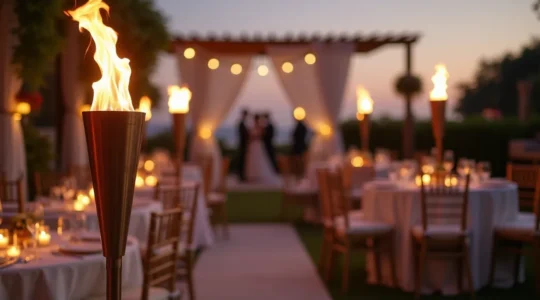
Citronella torches are not the charming, budget-friendly pest solution for a high-end wedding; they are an aesthetic liability that compromises guest comfort and safety. Cheap fuels create unpleasant smoke and soot that can ruin expensive decor and irritate guests. Their…
Read more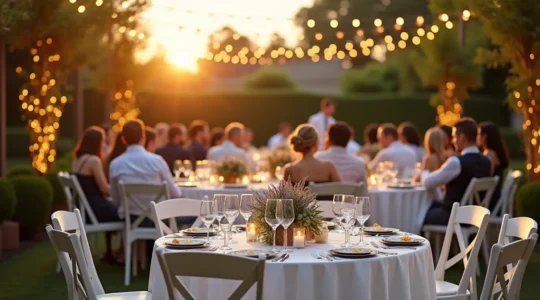
A truly bite-free wedding isn’t achieved with last-minute spraying, but with a silent, multi-layered strategy that prioritizes guest comfort over brute force. Effective control begins with professional treatments 24-48 hours before the event to allow odors to dissipate. A physical…
Read more
Opting for a cheap construction generator isn’t a cost-saving measure; it’s an acceptance of audio failure and event risk. Standard generators produce “dirty power” and audible noise (75+ dB) that will introduce a hum into your sound system and be…
Read more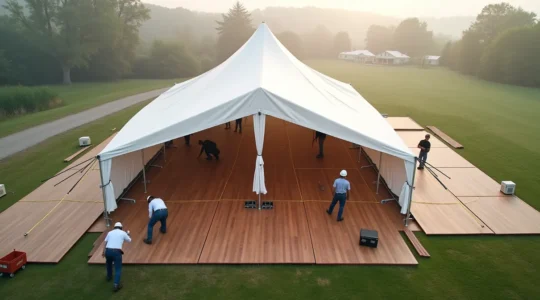
The high price of tent flooring is not a decorative expense but a calculated investment in risk mitigation that secures the entire event’s success. Flooring is often mandated by venues to transfer liability for lawn damage and guest safety away…
Read more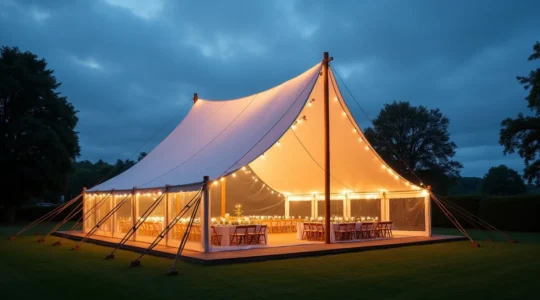
A sailcloth tent’s signature glow comes not from the lights you add, but from the tent fabric itself acting as a massive, elegant light diffuser. The translucent canvas softens and scatters light, eliminating harsh shadows and creating a warm, ethereal…
Read more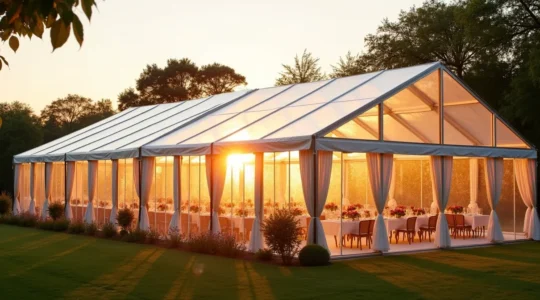
Contrary to popular belief, managing a clear tent isn’t about fighting heat; it’s about controlling a complex and unstable ecosystem where light, moisture, and structural physics create hidden failure points. The “greenhouse effect” makes standard fans useless and requires up…
Read more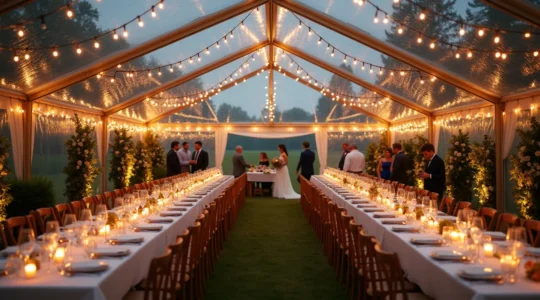
The key to a stress-free wedding is not avoiding rain, but designing a rain plan so compelling it feels like a ‘Plan A-Prime’, not a disappointing ‘Plan B’. Paying a non-refundable tent deposit early is a smart investment in certainty…
Read more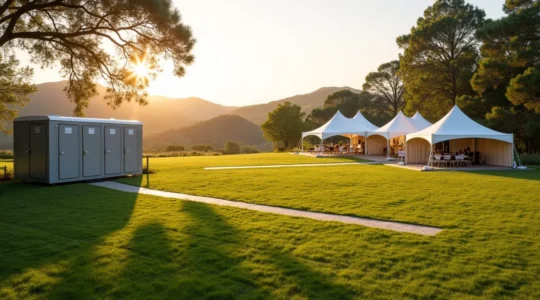
The romance of a backyard wedding hides a brutal financial reality: you’re not saving on a venue fee, you’re becoming a general contractor for a multi-thousand dollar construction project. Essential services like power, water, and restrooms aren’t simple “rentals”; they…
Read more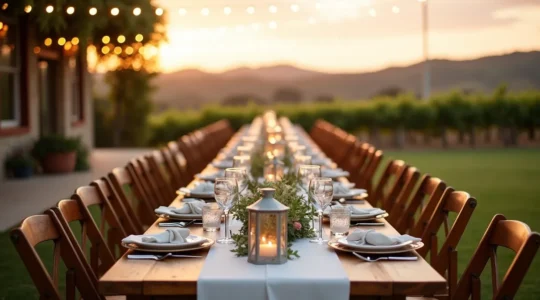
An unforgettable al fresco dinner relies not on hoping for good weather, but on engineering for bad weather; mastering the physics of wind, condensation, and sound is the true secret. Wind comfort is lost long before it becomes dangerous; plan…
Read more
A sophisticated driftwood arbor isn’t about draping fabric; it’s about mastering structural integrity and environmental harmony. Secure anchoring and tripod stabilization are non-negotiable for safety and achieving a high-end look. Choose resilient, wind-resistant florals and use professional attachment techniques for…
Read more