
Planning a wedding involves far more than choosing flowers and selecting a venue. It’s a complex orchestration of people, timing, contracts, and emotional dynamics that can make or break your celebration. While the visual elements of wedding decoration capture attention, the underlying organizational structure determines whether those beautiful moments actually unfold as imagined.
This comprehensive resource explores the foundational pillars of wedding organization and planning. From understanding what professional planners actually do, to building a vendor team that works in harmony, designing a timeline that honors natural light and guest energy, managing your invitation strategy, and thoughtfully gifting your wedding party—each element plays a critical role in transforming your vision into reality. Whether you’re just beginning your planning journey or refining your approach, understanding these interconnected systems will give you the confidence to make informed decisions.
The decision to hire a wedding planner—and which type of planner to engage—represents one of the most consequential choices in your planning journey. Yet many couples struggle to understand the actual value proposition beyond basic coordination.
Wedding planners typically offer three service tiers: full-service planning, partial planning, and day-of coordination. The return on investment for full-service planning extends far beyond what’s immediately visible. A comprehensive planner serves as project manager, negotiator, creative consultant, and crisis manager simultaneously. They leverage industry relationships to secure better vendor rates, prevent costly mistakes before they happen, and save couples an average of 150-200 hours of research and coordination time.
Partial planning packages, while seemingly economical, often contain hidden costs. Couples discover too late that “partial” doesn’t include vendor sourcing, contract review, or design development—precisely the areas where inexperienced couples make expensive missteps. The step-by-step workflow of a full-service planner reveals their value: initial vision development, budget allocation strategy, vendor vetting and negotiation, design refinement, timeline architecture, and comprehensive day-of execution.
One of the most dangerous misconceptions is assuming your venue coordinator serves as your wedding planner. Venue coordinators work for the venue, not for you. Their primary responsibility is protecting the venue’s interests, ensuring their property rules are followed, and managing their staff. They typically don’t communicate with your external vendors, won’t troubleshoot problems with your florist or photographer, and aren’t invested in your overall guest experience beyond what happens within their four walls.
An independent planner advocates exclusively for you, coordinates all vendors regardless of location, and thinks holistically about your entire wedding day—not just the venue portion.
The planner-client communication structure can determine success or failure. Effective planners establish clear response timeframes, preferred communication channels, and decision-making protocols from the start. They create systems for tracking decisions, documenting changes, and ensuring nothing falls through the cracks. Think of this like air traffic control—without clear communication protocols, even small misunderstandings can create cascading problems.
The danger of hiring an inexperienced friend as your planner cannot be overstated. When problems arise—and they inevitably do—you need someone who can make tough calls without emotional investment, someone whose professional reputation depends on solving problems efficiently. Friendship and professional planning require different skills entirely.
Your wedding vendors aren’t isolated service providers—they’re an interconnected ecosystem. The legal and relational complexities of building a vendor team that works cohesively require both strategic thinking and interpersonal finesse.
Vendor synergy refers to how well your service providers work together to create a seamless experience. A photographer who has previously worked with your venue knows the best ceremony lighting angles. A florist familiar with your caterer’s setup schedule can time deliveries to avoid kitchen congestion. A DJ who collaborates well with your planner can adjust pacing based on real-time guest energy.
When selecting vendors, ask specific questions about their collaboration style:
Negotiation doesn’t mean aggressive haggling—it means finding mutually beneficial arrangements. Respectful negotiation might involve asking about off-season discounts, package customization, or payment plan flexibility rather than simply demanding price reductions. Experienced vendors often have creative solutions: a photographer might offer a shorter coverage window at reduced cost, or a caterer might suggest a different service style that lowers staffing expenses.
The single-vendor versus multi-vendor setup presents different advantages. Single-source solutions (like all-inclusive venues) offer simplicity and clear accountability but limit customization. Multi-vendor approaches provide creative freedom and competitive pricing but require more coordination effort. Neither is inherently superior—the right choice depends on your priorities, budget, and tolerance for complexity.
Most couples focus on pricing and deliverables while glossing over critical contract details. Pay particular attention to:
Additionally, consider the often-overlooked detail of timing vendor meals and breaks. Contracts should specify when vendors eat, where they’re accommodated, and what’s provided. A photographer who misses a key moment because they weren’t properly fed is a preventable tragedy.
Timeline design is both science and art—it requires understanding human psychology, natural light patterns, and the hidden dependencies between wedding moments.
Guest fatigue is real and predictable. The science of timing and flow reveals that adults can comfortably sustain attention for 20-30 minute ceremonies before restlessness sets in. Energy naturally dips after meals, making immediately post-dinner speeches a poor choice. Dance floors gain momentum gradually—attempting to start dancing too early, before guests have socialized and relaxed, often results in an empty floor that never recovers.
Strategic pacing alternates between active and passive moments, giving guests natural rhythm. A receiving line immediately after ceremony provides active engagement, followed by the passive cocktail hour, then the active grand entrance and toasts, followed by passive dinner service, building to the active dancing phase.
Natural light is your most powerful and uncontrollable vendor. Understanding golden hour—the period roughly one hour before sunset when light is warm and flattering—should influence your entire timeline structure. For outdoor ceremonies or portrait sessions, this means working backward from sunset to determine ceremony start times.
The First Look versus aisle reveal timing decision dramatically impacts your schedule. First Looks allow couples to complete most formal photography before the ceremony, creating a more relaxed cocktail hour and ensuring you actually see your guests during reception. Traditional aisle reveals preserve that emotional moment but compress all photography into the narrow window between ceremony and reception, often requiring guests to wait longer.
One specific timeline error consistently kills dance floors: scheduling the bouquet and garter toss too early in the dancing portion. When these traditional activities interrupt dancing momentum before it’s fully established, guests use the break as an exit opportunity. If you include these elements, position them after dancing has peaked, when they provide a natural energy shift rather than an interruption.
Padding the schedule for inevitable delays is essential. Build in 15-20 minute buffers before critical moments like ceremony start time and grand entrance. Hair and makeup always runs over. Transportation encounters traffic. Vendors need setup time that exceeds their estimates. These buffers prevent the cascade effect where one delay compounds throughout the day.
Guest management involves complex social dynamics, budget implications, and strategic timing considerations that extend far beyond simply mailing invitations.
Timing your first communication requires balancing adequate notice with guest memory and commitment patterns. For destination weddings, save-the-dates should be sent 8-12 months in advance, giving guests time to request vacation, book travel, and budget for expenses. Local weddings can operate on a 4-6 month save-the-date timeline. Sending too early risks guests forgetting or circumstances changing; too late prevents them from protecting that date.
The destination versus local timing distinction extends to invitation mailing as well. Destination invitations should arrive 3-4 months before the event (compared to 6-8 weeks for local), with RSVP deadlines set earlier to accommodate travel planning.
Digital invitations have gained acceptance, particularly for casual celebrations or tech-savvy crowds, but traditional paper invitations still convey formality and importance that digital cannot replicate. The etiquette consideration isn’t just about medium—it’s about your guest demographics. Older generations often expect paper, while younger guests may find wedding websites more convenient for tracking details.
The photo versus graphic design decision impacts both aesthetic and information hierarchy. Photo-heavy invitations create emotional connection but can sacrifice readability. Graphic design approaches ensure clarity and sophistication but may feel less personal. The key is ensuring critical information—date, time, location, dress code—remains immediately scannable regardless of design approach.
The “B-list” guest problem—maintaining a secondary list to invite if primary guests decline—is common but risky. Guests who receive late invitations often recognize they weren’t first choice, creating hurt feelings. If you must employ this strategy, ensure B-list invitations go out immediately when you receive primary declines, and maintain enough buffer time that late invitations don’t appear rushed.
Information overload in invitations frustrates guests. Each communication should have a clear purpose: save-the-dates announce the date and location, invitations provide ceremony details and RSVP mechanism, wedding websites house accommodations and registry information. Trying to include everything in one piece creates confusion rather than clarity.
Navigating the social obligation of gifting your wedding party requires balancing budget constraints, personal preferences, and timing considerations. Your wedding party invests significant time, money, and emotional energy into supporting your celebration—thoughtful gifts acknowledge this contribution.
The “getting ready” prop trap catches many couples. Those matching robes, personalized hangers, and monogrammed champagne flutes make beautiful photos but often lack lasting utility. Consider whether your bridesmaids will actually use these items after the wedding day. More meaningful alternatives might include jewelry they can wear again, quality skincare products, or experiences like a pre-wedding spa day.
Budgeting per person should reflect their level of involvement and expense. A maid of honor who has hosted multiple events and managed logistics might receive a more substantial gift than bridesmaids with lighter responsibilities. A reasonable baseline ranges from $75-150 per person, adjusted for your overall budget and their contribution level.
The uniformity versus individuality question doesn’t have a single answer. Matching gifts create cohesive photos and equal perceived value. Individual gifts tailored to each person’s interests show thoughtfulness and personal attention. Many couples split the difference: one uniform item (perhaps worn on the wedding day) plus individualized additions based on personal knowledge.
Timing the presentation affects the emotional impact. Gifts presented at the rehearsal dinner create a touching moment of appreciation before the wedding day chaos. However, giving gifts during getting-ready time allows them to be incorporated into the day itself—particularly relevant for items like jewelry or accessories they’ll wear.
Don’t overlook gifts for parents, who often contribute financially and emotionally to your wedding. Acknowledging their support with a thoughtful gift and personal note—presented privately either before or shortly after the wedding—adds meaningful closure to their role in your celebration.
Wedding organization and planning encompasses far more than task management—it’s the invisible architecture that allows your vision to manifest smoothly. By understanding the strategic value of professional planning, building vendor teams that collaborate effectively, designing timelines that honor human rhythms and natural light, managing guest communications thoughtfully, and expressing genuine appreciation to your wedding party, you create the foundation for a celebration that feels effortless to experience. Each organizational decision ripples through your entire event, and investing time in these structural elements ultimately gives you the freedom to be present and joyful on your wedding day.

The secret to unforgettable bridal party gifts is shifting your focus from the object itself to the act of acknowledgment. Separate “props for photos” (like matching robes) from the true, personal present to ensure the gift is about them, not…
Read more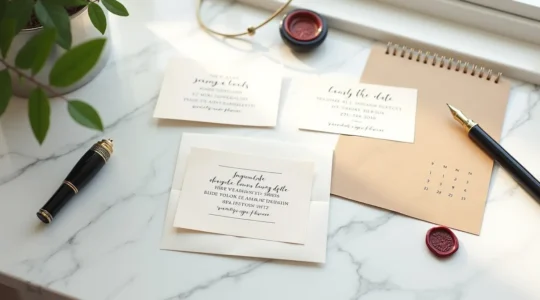
The ideal time to send save-the-dates is 8-10 months out for destination weddings and 6-8 months for local ones; this is a strategic decision, not just an etiquette guideline. Sending too early (12+ months) creates “guest list lock-in” before your…
Read more
The key to preventing guest boredom isn’t adding more entertainment; it’s mastering the science of event flow and managing your guests’ energy like a live performance. A traditional 6-hour reception often fails because it ignores the natural “energy arc” of…
Read more
Relying on vendor reviews and “good vibes” is a critical mistake; true security lies in treating your vendor agreements as an interlocking system of legal and logistical firewalls. Your vendor contracts must be “stress-tested” against specific points of failure, particularly…
Read more
Contrary to popular belief, the value of a full-service planner isn’t just about day-of support; it’s a calculated investment in risk management and executive-level project oversight that yields a significant return. “Month-of” coordination often introduces last-minute stress and budget overruns…
Read more