
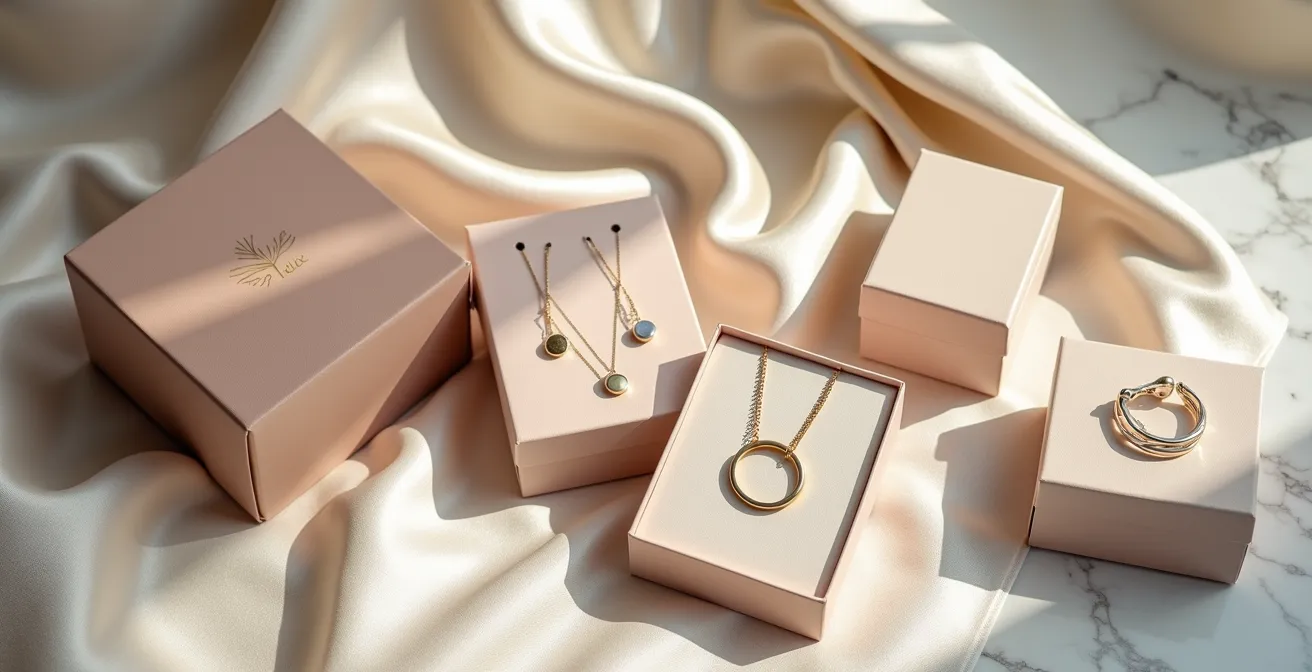
The secret to unforgettable bridal party gifts is shifting your focus from the object itself to the act of acknowledgment.
- Separate “props for photos” (like matching robes) from the true, personal present to ensure the gift is about them, not your wedding aesthetic.
- Base the gift’s value on “emotional equity,” considering their financial and emotional investment, not just a flat budget for everyone.
Recommendation: Prioritize a personalized gift that reflects their unique interests and your shared history, accompanied by a heartfelt, handwritten note explaining their importance to you.
The pressure to find the perfect bridal party gift is immense. You’re navigating a social obligation steeped in tradition, and the internet is flooded with images of matching silk robes, monogrammed champagne flutes, and tote bags emblazoned with the word “Bridesmaid.” While these items are popular, they often feel more like props for the getting-ready photoshoot than a genuine expression of gratitude. The fear is real: will this token of appreciation end up in the back of a closet or, worse, in a donation bin?
This cycle of obligatory, impersonal gifting overlooks the core purpose of the tradition. Your bridal party, especially your bridesmaids, have invested significant time, money, and emotional energy into celebrating you. A generic gift, however trendy, fails to acknowledge that personal sacrifice. But what if the key wasn’t finding a more clever gift, but reframing the gesture entirely? What if the gift became a tangible reflection of your unique relationship and a sincere thank you for their specific role in your journey?
This guide moves beyond lists of popular items to explore a more thoughtful approach. We will dissect the crucial difference between a prop and a present, establish a fair and equitable budget, and determine the perfect moment to express your gratitude. By focusing on the intention behind the gift, you can give something that not only will be cherished for years to come but will also deepen the very bonds you’re celebrating.
This article provides a complete roadmap to selecting gifts that are heartfelt and valued. You will find practical advice on budgeting, personalization, and timing, ensuring every gesture of thanks is as meaningful as the friendships it honors.
Summary: A Guide to Thoughtful Bridal Party Gifting
- Why You Should Separate “Props for Photos” From Actual Gifts?
- How Much Should You Spend per Bridesmaid Based on Their Expenses?
- Identical Jewelry or Personalized Interests: Which Is More Appreciated?
- Rehearsal Dinner or Morning Of: When Is the Best Moment to Give Gifts?
- What to Gift Parents Who Paid for the Wedding?
- Identical Posies or Color Variations: Which Suits Mismatched Dresses?
- How to Carry a Heavy Cascade Bouquet Without Arm Fatigue?
- How to Build a Minute-by-Minute Run-of-Show That Prevents Guest Boredom?
Why You Should Separate “Props for Photos” From Actual Gifts?
The most transformative step you can take in bridal party gifting is to create a clear mental and budgetary distinction between a “prop” and a “present.” A prop is an item intended to create a cohesive look for your wedding photos—think matching pajamas, floral robes, or custom cups. While fun, these items serve the wedding’s aesthetic first and the individual second. A true present, on the other hand, is chosen solely for the recipient’s joy, with no expectation of it being used or worn on the wedding day. This separation is an act of relationship acknowledgment; it tells your friend, “This is for the wedding, but this is for you.”
One bride perfectly executed this by treating the “ask” as the moment for the true gift, long before the wedding day. She explains her strategy:
A Real Bride’s Approach to Meaningful Gifting
When asking her bridesmaids, she gave each a large travel makeup case containing a mini luxury perfume, embroidered Eberjey pajamas, a silk sleep mask, and sunscreen. Her goal was to give “things that didn’t scream ‘I was in a wedding party’ and things that were not too personalized to me and my husband.” This approach ensures the items have a life and utility long after the wedding, making them feel like a genuine, thoughtful gift rather than a costume piece.
Implementing this requires a two-budget framework. First, set a modest “Props Budget” ($25-50 per person) for any matching items you want for photos. Second, establish a separate, more significant “True Gift Budget” for the personal present. When you give the real gift, the focus should be on sincerity. Explain why you value their friendship and are so grateful to have them by your side. They will appreciate the item, but they will truly cherish the heartfelt recognition.
How Much Should You Spend per Bridesmaid Based on Their Expenses?
Determining a gift budget can be awkward, but it becomes clearer when viewed through the lens of gratitude and equity. Your bridesmaids are making a substantial financial commitment. With data suggesting that bridesmaids spend, on average, more than $1,600 to be in a wedding, the gift you give is a crucial acknowledgment of their investment. This doesn’t mean you need to match their spending, but it does mean moving beyond a one-size-fits-all approach towards the concept of “emotional equity.”
Gift equity means tailoring the value of the gift to the person’s role, contribution, and expenses, rather than giving everyone an identical item of the same value (gift equality). Your Maid of Honor, for example, likely invested far more time and money planning events than a bridesmaid who lives out of state. Acknowledging this difference is a thoughtful gesture. While research suggests couples spend an average of $80 per person, this figure should be a starting point, not a strict rule.
This framework helps you balance your budget with fair and thoughtful acknowledgment of each person’s unique contribution. Consider travel costs, time taken off work, and any direct expenses they covered, such as hosting a shower. The goal isn’t a transactional reimbursement but a gesture that says, “I see what you’ve done for me, and I am so grateful.”
This table provides a helpful guide for navigating gift equity, based on an analysis of wedding party roles.
| Role/Contribution | Recommended Gift Range | Considerations |
|---|---|---|
| Maid of Honor | $100-200 | Your MOH likely took on a lot more responsibility and expenses, so it is appropriate to spend a little more on their gift. |
| Local Bridesmaid | $50-80 | This range aligns with the average spending for a wedding party member with standard duties. |
| Destination Bridesmaid | $100-150 | Consider their significant travel costs and time off work when determining the gift’s value. |
| Bridesmaid Who Hosted Events | $75-125 | Factor in their financial and time contributions for hosting a shower or bachelorette party. |
Identical Jewelry or Personalized Interests: Which Is More Appreciated?
The debate between identical and personalized gifts is at the heart of modern wedding etiquette. While matching necklaces might seem like a lovely symbol of unity, they often fall into the “prop” category—something chosen more for a group photo than for individual taste. The consensus among experts and recipients is clear: personalization, rooted in genuine knowledge of your friend, is always more appreciated. It communicates care and effort far more effectively than any generic item, regardless of price.
As one wedding gift expert from the Who What Wear Wedding Guide emphatically states, the gift must be thoughtful and practical.
Your bridesmaid gifts don’t have to be expensive. But they do need to be thoughtful, intentional, and practical. Do not—and I repeat, do not!—give your bridesmaids a gift that’s engraved with your wedding date. Why would they want that? Instead, gift something they’ll actually use on a regular basis long after your wedding is over.
– Wedding Gift Expert, Who What Wear Wedding Guide
This advice is backed by hard data. The trend is overwhelmingly moving toward gifts that honor individuality. According to research from The Knot, the most popular gift categories include jewelry (48%), beauty items (46%), and accessories (42%). More importantly, the study revealed that personalization was a major factor, with 62% of respondents choosing to purchase a personalized gift for their wedding party members. This signals a clear preference for gifts that say, “I know you,” rather than, “You’re in my wedding.”
The “uniform exterior, personal interior” approach is an excellent strategy. For example, you could give everyone the same high-quality leather tote bag, but fill each one with items tailored to their hobbies: a gourmet cookbook for the foodie, a set of high-end watercolor paints for the artist, or a subscription to a coffee club for the caffeine lover. This method provides a moment of shared experience when opening the gifts, followed by the personal delight of discovering something chosen just for them. It is the ultimate relationship acknowledgment.
Rehearsal Dinner or Morning Of: When Is the Best Moment to Give Gifts?
The timing of your gift presentation is a strategic part of the gesture itself, capable of enhancing its emotional impact. There isn’t one single “correct” time; the best moment depends on the nature of the gift and the atmosphere you want to create. The four main opportunities each offer a unique context for your expression of gratitude.
1. The Proposal Stage: Giving a small, symbolic gift when you ask “Will you be my bridesmaid?” sets a tone of appreciation from the very beginning. This is often separate from the main “thank you” gift and is more about the excitement of the invitation.
2. The Rehearsal Dinner: Many consider this the ideal moment. The formalities are over, and the atmosphere is relaxed and celebratory. Giving the gifts here allows you to make a short, heartfelt speech to your entire party, thanking them publicly. It puts the focus entirely on gratitude without the hectic energy of the wedding day. This is the perfect time for gifts that are not intended to be used during the wedding itself.

3. The Morning of the Wedding: This timing is practical and intimate, especially if the gifts are “props” to be used while getting ready, like robes, pajamas, or jewelry. Presenting these items as everyone gathers creates a shared, festive experience and ensures everyone has what they need for the photos. It can be a beautiful, quiet moment between you and your closest friends before the day’s whirlwind begins.
4. Post-Wedding: If the wedding planning leaves you drained, sending a gift a week or two after is perfectly acceptable and can be incredibly thoughtful. It allows you to decompress and choose something with a clear mind. Furthermore, it gives you the opportunity to include a personalized item from the wedding itself, like a beautiful framed photo of you and that bridesmaid, making the gesture a cherished memento of the shared experience.
What to Gift Parents Who Paid for the Wedding?
Thanking parents, especially those who have made a significant financial contribution to the wedding, requires a gift that reflects a different kind of gratitude. This isn’t just about acknowledging their support for one day, but recognizing a lifetime of it. The best gifts for parents are those that offer a legacy of memory, a shared experience, or a moment of well-deserved relaxation after the planning is over. The focus should be on giving back to them and celebrating their relationship as well.
Experiential gifts are an increasingly popular and meaningful choice. Instead of another object for their home, consider giving them a new memory to create together. An experience package allows them to choose their own adventure, whether it’s a gourmet dinner, a weekend getaway, or a class they’ve always wanted to take. Another beautiful idea is to organize a relaxing evening for them after the wedding. Sending a fully prepared, high-end charcuterie and cheese board to their home allows them to unwind and relive the happy memories of the day without any effort.
However, regardless of the physical gift’s value, the most cherished component will always be your words. As a wedding planning expert from Emmaline Bride notes, the personal touch is paramount.
Any gift you give should come with a card: inside, write a few heartfelt or sentimental thoughts inside. Your words inside a card or note are some of a best gifts parents can receive on your wedding day, or anytime, really.
– Wedding Planning Expert, Emmaline Bride Wedding Gift Guide
This handwritten note is non-negotiable. It’s your chance to articulate your love and gratitude in a way a physical gift cannot. Thank them not just for the money, but for their guidance, support, and love throughout your life that led to this happy moment. This gesture of legacy support transforms any present into a priceless keepsake.
Identical Posies or Color Variations: Which Suits Mismatched Dresses?
The rise of mismatched bridesmaid dresses offers a beautiful opportunity for personalization, but it raises a key floral question: should the bouquets be a unifying constant, or should they vary as well? The right choice depends entirely on the overall aesthetic you aim to achieve—cohesive and classic, or eclectic and organic. There is no wrong answer, only a decision of style.
Opting for identical bouquets is the safest and most traditional route. When each bridesmaid is wearing a different color or style of dress, a uniform bouquet acts as a powerful visual anchor. It ties the entire bridal party together, creating a sense of harmony and intention. This approach works especially well if the dresses are in a wide range of colors. The bouquet becomes the common thread, signaling that despite their individual looks, they are one cohesive group. For this to be effective, the bouquet should contain neutral tones or a mix of colors that complements every dress in the palette.
Conversely, choosing color variations in the bouquets can elevate the mismatched look to a whole new level of artistry. This is a more advanced styling choice but can be stunning when done correctly. The key is not random variation, but controlled coordination. Each bouquet should be slightly different, perhaps emphasizing a color from the specific dress it’s paired with, while still sharing a core set of flowers and foliage with the other bouquets to maintain a family resemblance. For example, all bouquets might feature white roses and eucalyptus, but one might have added dusty blue thistle to match a navy dress, while another has soft pink peonies to complement a blush gown. This creates a rich, textured, and deeply personal visual story.
How to Carry a Heavy Cascade Bouquet Without Arm Fatigue?
A cascade bouquet is a breathtaking statement piece, but its weight and length can lead to significant arm fatigue and awkward photos if not handled correctly. Carrying it gracefully throughout the day is a skill, and it’s a small but significant part of a bridesmaid’s (or bride’s) role. Providing your party with these simple instructions ensures they look and feel comfortable and confident.
The first step is mastering the correct grip and position. The bouquet should not be held straight up and down like an ice cream cone. Instead, it should be held at a slight angle, with the flowers tilting gently forward and away from the dress. The stems should rest naturally at the hip bone area, creating a relaxed and elegant line. The key is to hold it at the belly button level, which is lower than most people instinctively do. This lowers the center of gravity and reduces strain on the bicep and shoulder.
Posture is equally critical. The weight should be supported by your core, not just your arm. Stand up straight, relax your shoulders down and back, and keep your elbows slightly bent and close to your body. Avoid the common mistake of locking your elbow or letting your shoulder creep up toward your ear. During long periods of standing, such as the ceremony, it’s fine to switch hands, but try to do so discreetly. You can also use both hands to support the bouquet from underneath for short periods of rest, holding it centered in front of you.
Finally, the most important advice is to practice. When you have your dress fitting, ask your florist for a “mock” bouquet of similar weight and size, or even just a weighted object. Practice walking, standing, and posing with it. Feeling the weight and finding a comfortable position ahead of time will build muscle memory and make holding it on the wedding day feel like second nature, preventing the dreaded “bouquet droop” from arm fatigue.
Key Takeaways
- The most meaningful gifts separate “props” for the wedding from a true “present” for the person.
- Personalization is paramount. A gift reflecting their unique interests will always be more cherished than a generic, identical item.
- A handwritten note is not optional; it is often the most valuable part of the gift, for both bridesmaids and parents.
- Gift equity—basing the gift’s value on a person’s individual contribution and expense—is a more thoughtful approach than strict gift equality.
How to Build a Minute-by-Minute Run-of-Show That Prevents Guest Boredom?
While the gifts and attire of the bridal party are important, their greatest contribution—and your greatest act of consideration for them and your guests—is helping to facilitate a smoothly run wedding day. A detailed, minute-by-minute run-of-show is the unsung hero of a great wedding. It’s the master document that transforms a series of events into a seamless, engaging experience, preventing the dreaded lulls that lead to guest boredom and stress for the wedding party.
Building this timeline is less about rigid scheduling and more about choreographing the flow of energy. The primary goal is to minimize “dead air”—those awkward gaps where guests are left waiting without direction, food, or entertainment. The most common culprits are the post-ceremony cocktail hour (if photos take too long) and the gap between dinner and dancing. A good run-of-show anticipates these moments and builds in buffers and activities. For example, if you know bridal party photos will take 45 minutes, ensure the bar is open and appetizers are served the moment guests arrive at the reception venue. Consider interactive elements like a guest book to sign, a photo booth, or light background music to set the mood.
The timeline should be shared with all key players: your wedding planner, photographer, DJ or band leader, caterer, and your Maid of Honor. This person is your on-the-ground lieutenant, and empowering them with the timeline allows them to gently nudge events along, field questions, and solve minor issues without interrupting you. This simple document is an act of service to everyone involved, ensuring your bridal party can enjoy the day rather than manage it.
Action Plan: Auditing Your Run-of-Show for Guest Engagement
- Map the Touchpoints: List every single moment guests will experience, from arrival to departure. Identify potential lulls, such as travel time between venues or the gap while you take photos.
- Inventory the Activities: Catalog all existing entertainment elements (e.g., DJ, photo booth, lawn games, speeches). Note their duration and ideal timing.
- Check for Flow and Coherence: Read the timeline like a story. Does the energy build naturally? Does the transition from dinner to dancing feel smooth or abrupt? Ensure the flow matches your desired wedding vibe (e.g., relaxed vs. high-energy party).
- Assess Memorability and Peaks: Identify the key emotional moments (first dance, cake cutting, speeches). Are they well-paced? Are there too many clustered together? A great timeline has peaks and valleys, not just a flat line.
- Develop a Transition Plan: For each identified gap or lull, create a specific plan. This could be a music cue, an announcement from the emcee, or a small, planned activity to keep guests engaged and informed.
Ultimately, navigating the social obligations of your wedding is an extension of the love and care you have for your friends and family. By approaching each decision, from gifts to timelines, with thoughtfulness and empathy, you ensure the entire celebration is a true reflection of your gratitude. Start planning these gestures not as items on a checklist, but as the final, beautiful chapters of your wedding journey with the people who matter most.