
Wedding decoration extends far beyond visual appeal—it orchestrates the emotional journey of your celebration. Every design choice, from the blooms you select to the spatial flow of your cocktail hour, shapes how guests experience your most important moments. The difference between a wedding that feels magical and one that feels merely pretty lies in understanding how decor elements work together to create atmosphere, facilitate connection, and honor the unique rhythm of your day.
Modern wedding design balances three essential pillars: the strategic use of florals that deliver both beauty and practicality, the thoughtful orchestration of transitional moments like the cocktail reception, and the integration of innovative materials that add texture while standing the test of time. This approach transforms decoration from superficial styling into a comprehensive experience that supports your celebration from the first toast to the final dance. By mastering these foundational elements, you’ll create a wedding environment that feels both intentional and effortlessly beautiful.
The cocktail hour serves as the crucial bridge between ceremony emotion and reception celebration. This 60-90 minute window sets the tone for your entire evening, yet it’s frequently undermined by common planning oversights that leave guests disoriented or uncomfortable. Think of this period as the overture to your reception—it establishes rhythm, builds anticipation, and allows emotional energy to evolve naturally rather than crash abruptly.
The ideal cocktail hour typically runs between 60 and 75 minutes, providing enough time for mingling without creating restless anticipation. Shorter windows feel rushed and prevent genuine conversation, while longer periods cause energy to dissipate before dinner begins. This timeframe also accommodates practical needs: guest transitions from the ceremony site, couple portrait sessions, and final reception preparations. If your photography schedule demands more time, consider entertainment elements like a live musician or interactive display to maintain engagement beyond the 75-minute threshold.
Effective cocktail spaces feature multiple conversation zones rather than a single crowded area. Create distinct pockets using furniture groupings, standing tables at varying heights, and strategic decoration placements that naturally guide movement. Guests instinctively avoid bottlenecks, so position bars and food stations in separate areas to distribute the crowd. Outdoor spaces benefit from defined pathways marked with lanterns or floral installations, while indoor venues need clear sightlines that prevent guests from clustering awkwardly near entrances.
The choice between stationary food displays and circulating appetizers profoundly impacts guest behavior. Interactive stations—such as raw bars, carving boards, or build-your-own bruschetta bars—create natural gathering points and conversation starters, ideal for encouraging guests from different circles to mingle. Passed hors d’oeuvres offer elegance and ensure all guests receive equal attention, particularly beneficial when space constraints prevent comfortable station access. Many successful cocktail hours blend both approaches: stations for dramatic presentation and substantial offerings, supplemented by passed selections to reach wallflowers and seated guests.
The most frequent cocktail hour mistake involves insufficient seating for elderly guests and those with mobility challenges. While the cocktail format encourages mingling, providing seating for approximately 30-40% of guests demonstrates thoughtfulness without undermining the social atmosphere. Position chairs and lounge furniture along the periphery, creating comfortable observation points that don’t obstruct central circulation. This consideration becomes especially critical for celebrations spanning multiple generations or events scheduled during warm weather when prolonged standing becomes taxing.
Your cocktail hour soundtrack should transition from the ceremony’s emotional intimacy toward reception celebration without jarring shifts. Begin with softer acoustic selections or instrumental pieces that encourage conversation—guests should never struggle to hear each other. Gradually increase tempo and volume during the final 15-20 minutes, signaling the approaching transition to dinner. This musical arc prepares guests psychologically for the energy shift while maintaining the sophisticated atmosphere that distinguishes cocktail hour from reception dancing.
Garden roses have emerged as the quintessential choice for couples seeking romance, dimension, and unforgettable scent in their floral design. Unlike standard roses, these cultivated beauties offer abundant petals that create lush, textural arrangements while releasing the intoxicating fragrance often absent from commercial varieties. However, their stunning appearance comes with specific handling requirements that separate amateur attempts from professional results.
Garden rose varieties range from the tightly cupped Patience with over 100 petals to the more open Charity with romantic, ruffled forms. Petal count directly influences visual impact—higher counts create fuller, more dramatic blooms that photograph beautifully and fill arrangements with fewer stems, ultimately affecting your floral budget. Popular wedding varieties include Juliet (peachy blush with excellent ruffling), Constance (sophisticated white with cream centers), and Keira (romantic blush pink with remarkable durability). Each variety brings distinct color saturation, bloom size, and opening patterns that should align with your overall design vision.
Garden roses arrive as tight buds that require 3-5 days of proper conditioning to reach their full spectacular form. This processing window demands precise planning—order too early and blooms peak before your wedding, too late and they remain frustratingly closed. Florists achieve optimal opening through temperature manipulation, hydration solutions, and sometimes gentle manual encouragement of outer petals. This extended timeline explains part of their premium pricing and why last-minute substitutions rarely succeed. Understanding this rhythm helps you appreciate the skill involved and plan consultations accordingly.
The abundant petals that make garden roses spectacular also create vulnerability in warm conditions. Outdoor summer ceremonies or receptions without climate control can cause premature wilting or petal browning, particularly in direct sunlight. When planning outdoor events during warmer months, discuss heat-hardy alternatives with your florist or schedule delivery timing that minimizes sun exposure. Garden roses perform beautifully in spring and fall temperatures, but summer celebrations may benefit from strategic placement in shaded areas or as reception-only elements rather than ceremony installations that endure prolonged heat.
A critical yet often overlooked aspect involves thorough thorn removal without damaging stems. Garden rose thorns are notably more aggressive than standard varieties, and incomplete removal creates painful surprises when handling bouquets or centerpieces. Professional florists use specialized stripping tools rather than knives, which can score stems and impede water uptake. Rushed or improper thorn removal accounts for a surprising number of stem failures, as damaged vascular tissue prevents adequate hydration. This detail exemplifies why DIY floral projects with garden roses prove more challenging than couples anticipate.
Garden roses present unique color consistency challenges because their multi-tonal petals shift dramatically as blooms open. A bud appearing soft blush may reveal deeper apricot undertones at full opening, while whites often display cream, green, or pink centers. This natural variation creates romantic depth but complicates precise color matching with bridesmaid dresses or other decor elements. Rather than fighting this characteristic, successful designs embrace tonal ranges, allowing complementary shades to interact organically. Share fabric swatches during consultations and discuss whether exact matching or harmonious coordination better serves your aesthetic vision.
Dried and preserved botanicals have transcended rustic trends to become sophisticated design tools that offer structural dimension, unexpected texture, and remarkable longevity. These materials allow for advance preparation, eliminate wilting concerns, and create keepsake arrangements that preserve wedding memories long after fresh flowers fade. Modern applications blend dried elements with fresh blooms for contrast or showcase them independently for dramatic minimalist impact.
Unlike fresh flowers with genetically determined hues, dried botanicals accept paint, dye, and bleaching treatments that achieve virtually any color palette. Pampas grass transforms from natural beige to dusty rose, charcoal, or even metallics through careful tinting. Preserved eucalyptus, bunny tails, and palm spears similarly adapt to custom color specifications. This flexibility proves invaluable when seeking specific shades unavailable in seasonal fresh flowers or creating monochromatic installations. However, quality application matters enormously—poorly dyed materials appear artificial and shed color onto hands and fabrics, so verify your florist’s techniques and product sources.
The magic of contemporary design lies in balancing dried texture against fresh flower softness. Dried grasses and preserved leaves provide architectural lines and neutral volume that allow statement blooms to command attention without competing backgrounds. This combination also extends budget impact, as dried materials create visual fullness at lower cost than filling arrangements entirely with premium fresh flowers. The key involves proportional balance—too much dried material overwhelms fresh elements and appears sparse, while insufficient quantities fail to deliver structural benefit. Successful ratios typically feature dried components comprising 40-60% of arrangement volume.
Dried materials offer unique flexibility for creative shaping impossible with fresh flowers. Pampas plumes can be trimmed, layered, or fanned for varying silhouettes. Palm spears bend into curves when gently heated. Preserved branches accept wire reinforcement for dramatic arching installations. This malleability enables custom installations like hanging features, archway enhancements, or geometric table installations that would require extensive mechanics with fresh materials. These techniques transform standard dried bundles into bespoke design elements that reflect your specific vision rather than generic applications.
The primary challenge with dried botanicals involves their fragile nature once fully desiccated. Stems snap easily during transport, petals shatter with rough handling, and delicate components like baby’s breath or statice crumble under pressure. This brittleness necessitates careful timing—assemble installations close to the event date to minimize handling, transport in secure containers, and position arrangements where guests won’t brush against them. Outdoor applications face additional concerns from wind and humidity, which can compromise structural integrity or cause unexpected wilting in materials not fully preserved.
Perhaps the most compelling advantage of dried elements involves their ability to serve as lasting mementos. Unlike fresh arrangements requiring immediate preservation attempts with uncertain results, dried bouquets and centerpieces maintain their beauty indefinitely with minimal care. Display your bridal bouquet in a shadow box, repurpose ceremony arrangements as home decor, or gift centerpieces to guests as meaningful favors. This longevity adds emotional and practical value, transforming wedding florals from ephemeral decoration into tangible memories that continue telling your story for years to come.
Thoughtful wedding decoration harmonizes these elements—strategic timing, intentional floral choices, and innovative materials—into a cohesive experience that honors both aesthetic vision and practical reality. By understanding the nuances behind each decision, you transform decoration from a checklist item into a powerful tool for creating the celebration atmosphere you’ve envisioned, ensuring every detail supports the moments that matter most.
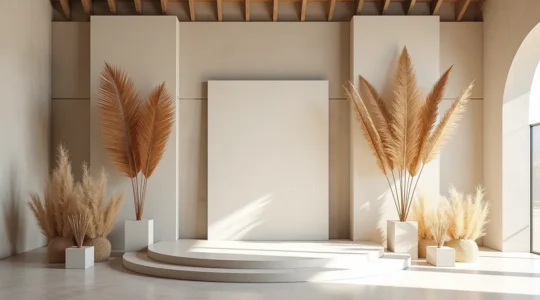
The fine art of wedding design has moved beyond soft romance; dried palms are now the definitive medium for sharp, architectural statements. Instead of random filler, dried palms function as a sculptural tool to define line, mass, and negative space….
Read more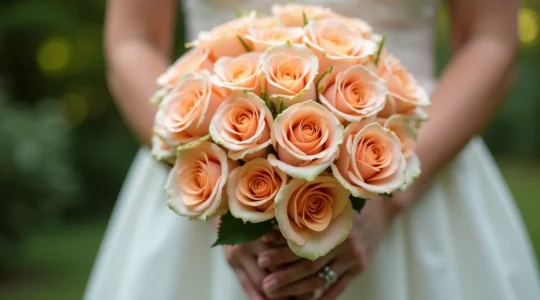
For brides dreaming of peonies out of season, the garden rose isn’t a compromise—it’s an upgrade in artistry, fragrance, and romantic expression. Garden roses, especially David Austin varieties, offer a more complex petal structure and a richer, more varied scent…
Read more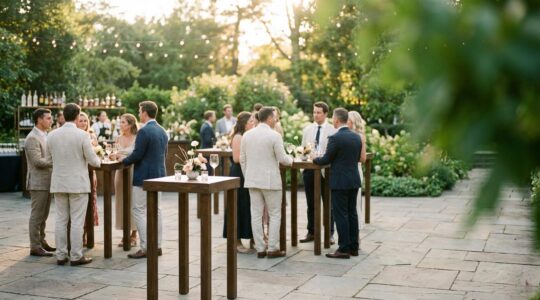
The cocktail hour’s success is not about filling time, but about masterfully managing guest energy and connection. Intentional layout and interactive “hubs” are more effective at encouraging mingling than simply placing tables. The choice between grazing tables and passed hors…
Read more